Simple Habits for Wellbeing

Learn about accessible practices that can be integrated into your daily life to support overall balance and vitality.

Mindfulness and Awareness

Cultivating Present-Moment Attention

Mindfulness involves bringing your attention to the present moment with openness and curiosity. This practice can be integrated into various aspects of daily life, from eating to walking to working.

Regular mindfulness practice may support greater awareness of your thoughts, emotions, and physical sensations, potentially contributing to more intentional responses to daily situations.

  • Begin with short periods of focused breathing, gradually extending the duration
  • Practice mindful observation of your surroundings during routine activities
  • Notice thoughts and feelings without immediately reacting to them
  • Use simple reminders throughout the day to return to present awareness

Person sitting in meditation posture in natural setting

Movement and Physical Activity

🚶

Daily Walking

Regular walking is an accessible form of movement that can be easily incorporated into most schedules, whether as a morning practice, lunch break activity, or evening routine.

🧘

Stretching and Flexibility

Gentle stretching throughout the day can help maintain mobility and release tension that accumulates from prolonged sitting or repetitive movements.

💪

Strength Building

Incorporating basic strength exercises using body weight or simple equipment can support functional fitness and long-term physical capacity.

🏃

Varied Activities

Exploring different forms of movement such as swimming, cycling, or dancing can provide variety and help you discover activities you genuinely enjoy.

Nutrition and Hydration

Balanced meal with vegetables, grains, and protein

Nourishing Your Body

The foods you consume provide the building blocks and energy your body needs for daily functioning. Developing awareness around your eating patterns and food choices is a foundational aspect of self-care.

  • Include a variety of whole foods such as vegetables, fruits, whole grains, and proteins
  • Pay attention to portion sizes and hunger cues rather than eating on autopilot
  • Stay adequately hydrated throughout the day with water and other non-sugary beverages
  • Plan and prepare meals in advance to support consistent, balanced eating
  • Practice mindful eating by slowing down and savoring your food

Rest and Recovery

Adequate rest is essential for physical recovery, mental clarity, and emotional balance. Prioritizing rest is not a luxury but a fundamental component of sustainable living.

Sleep Hygiene

Establish consistent sleep and wake times, create a comfortable sleep environment, and develop a calming pre-sleep routine to support quality rest.

Active Rest

Engage in low-intensity activities that allow your body to recover while still moving, such as gentle walks, light stretching, or leisurely swimming.

Mental Breaks

Take regular breaks from focused work or screen time to allow your mind to rest and reset, supporting sustained cognitive function throughout the day.

Leisure Time

Dedicate time to activities you find enjoyable and relaxing, whether creative pursuits, social connection, or simply being in nature.

Building Sustainable Habits

Principles of Habit Formation

Understanding how habits develop can help you design practices that are more likely to become integrated into your daily life over time.

Start Small: Begin with manageable versions of new habits rather than attempting dramatic changes all at once.

Consistency Over Intensity: Regular practice, even in small amounts, is more effective for long-term habit formation than sporadic intense efforts.

Environmental Design: Arrange your physical and social environment to make desired behaviors easier and less desirable behaviors more difficult.

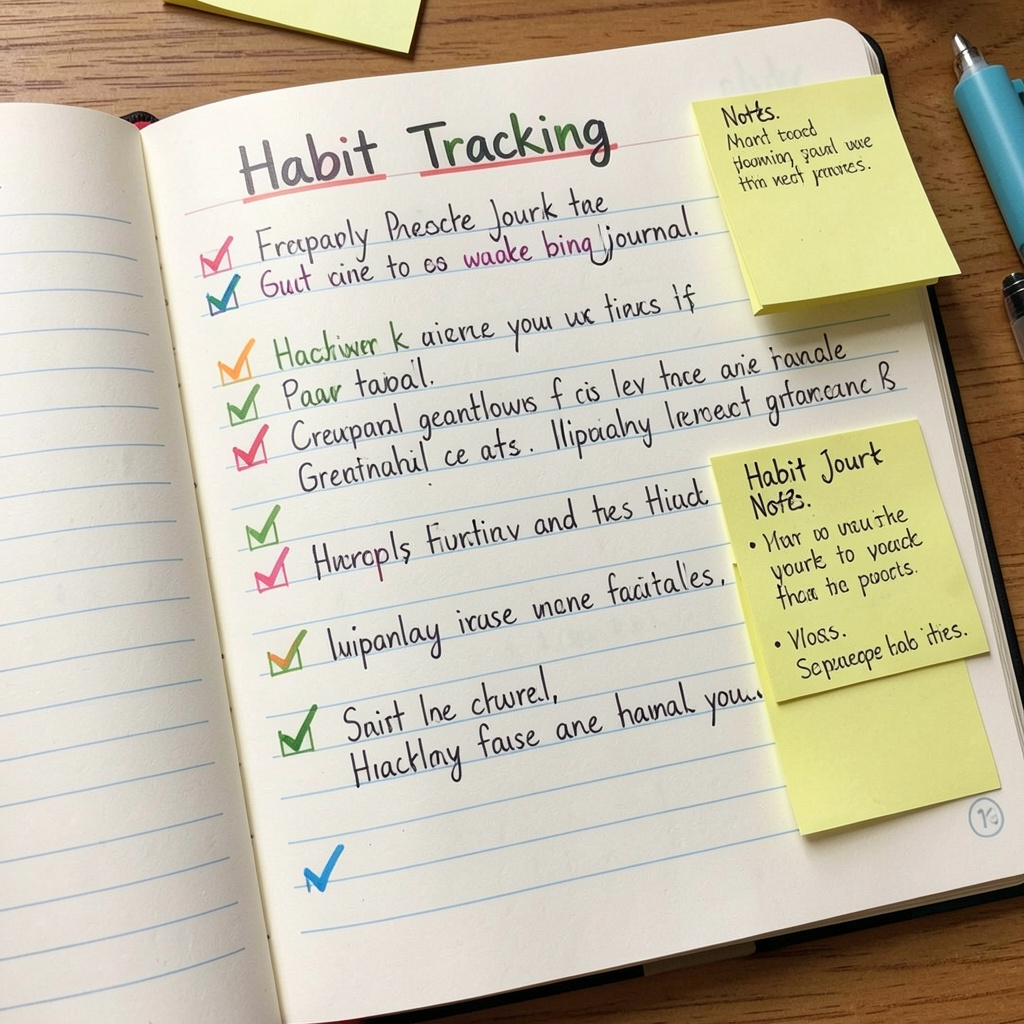
Track Progress: Keep simple records of your practice to maintain awareness and observe patterns over time.

Be Patient: Habit formation takes time, and setbacks are a normal part of the process. Approach yourself with understanding rather than harsh judgment.

Habit tracking journal with checkmarks and notes